

Stop Drowning in Tools. Start Running a System.
Microsoft 365 is supposed to make your organization more efficient.
Instead, most teams end up with:
- Five versions of the same file
- A SharePoint site no one understands
- Teams channels that multiply like rabbits
- Permissions so broken no one knows who can see what
And somehow… more work than before.
This isn’t a technology problem.
It’s a structure problem.
That’s where we come in.
The Reality No One Tells You
Microsoft didn’t design Microsoft 365 for your nonprofit.
They built a powerful platform and handed you the keys with zero context.
So what happens?
- SharePoint becomes a dumping ground
- Teams becomes a chat app instead of a collaboration hub
- Workflows are either nonexistent… or wildly overengineered
- Security is either locked down to the point of paralysis or wide open like a screen door in July
You don’t need more features.
You need alignment.
What We Actually Do (Hint: It’s Not Just “Setup”)
We don’t just turn things on and wish you luck.
We build a system that reflects how your organization actually works.
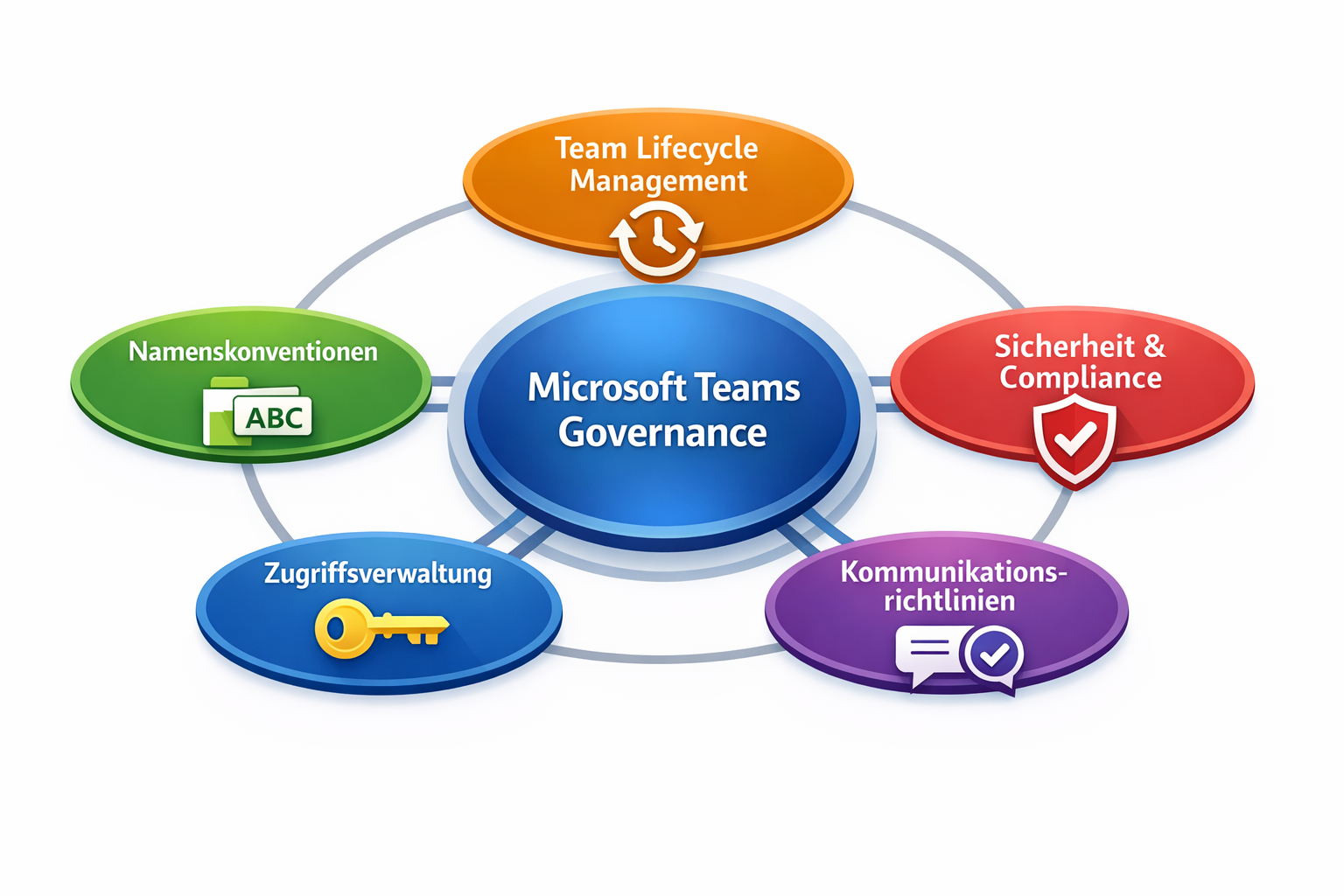
1. Tenant Setup & Governance
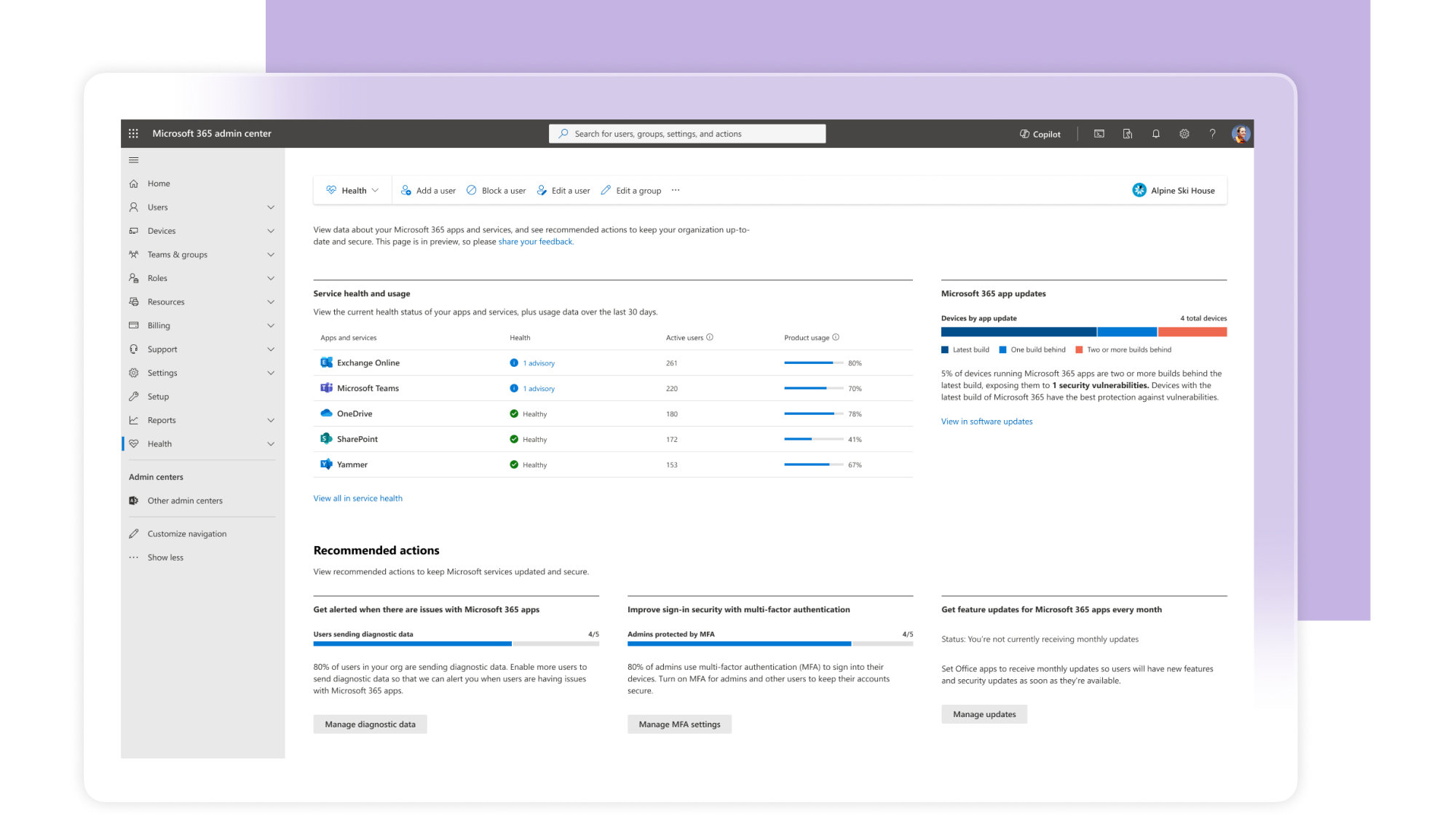

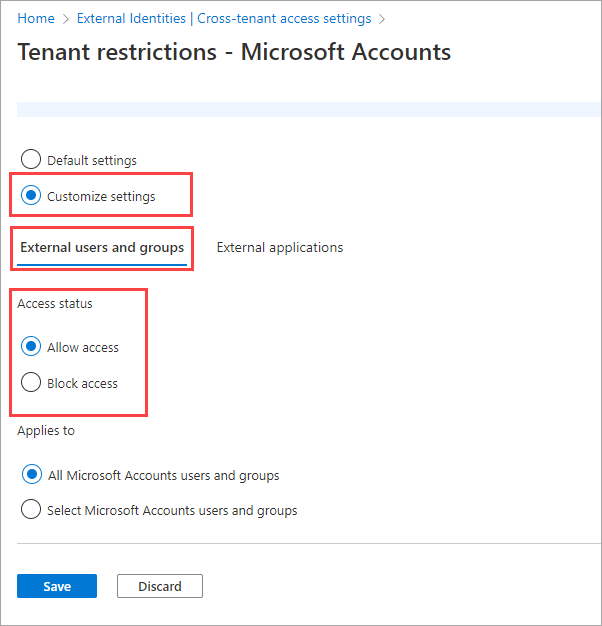
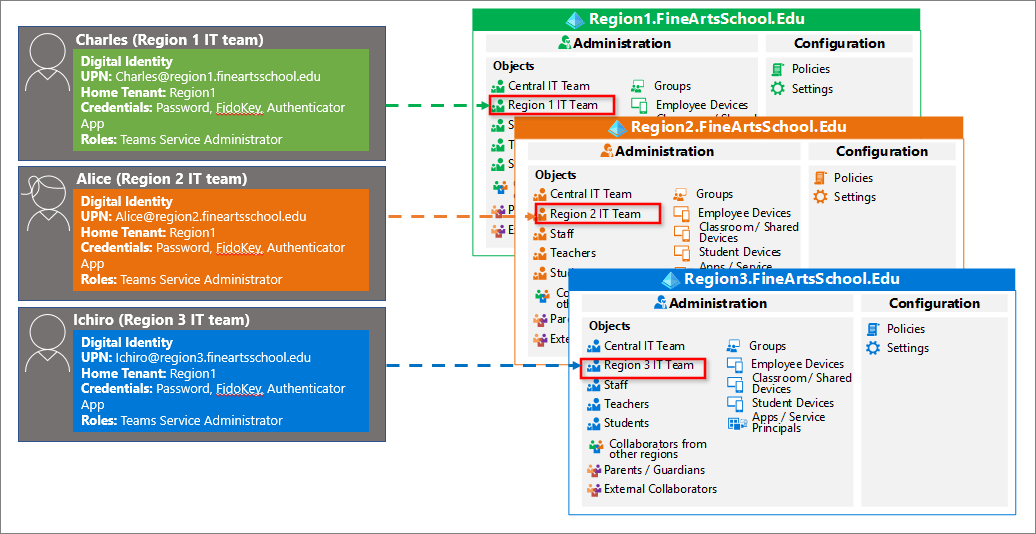
We establish the foundation properly from day one:
- Naming conventions that don’t spiral into chaos
- Governance policies that prevent future messes
- User roles and access that make sense
Because fixing a bad tenant later is about as fun as rewiring a house after it’s already built.
2. SharePoint Architecture That Humans Can Understand
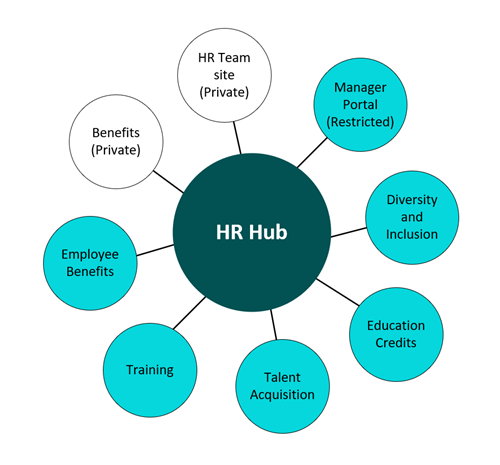
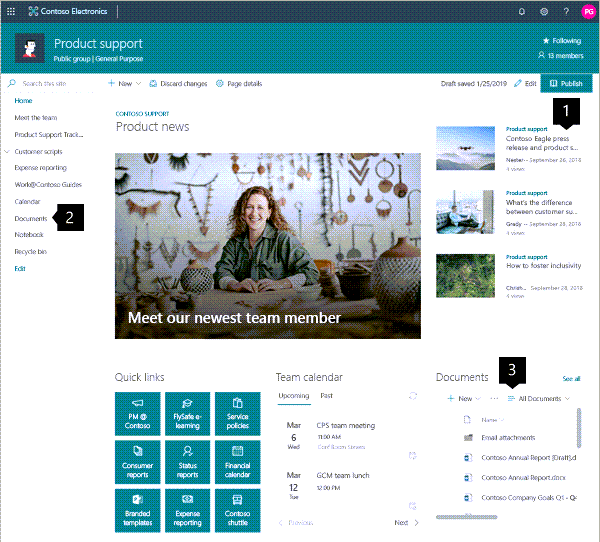
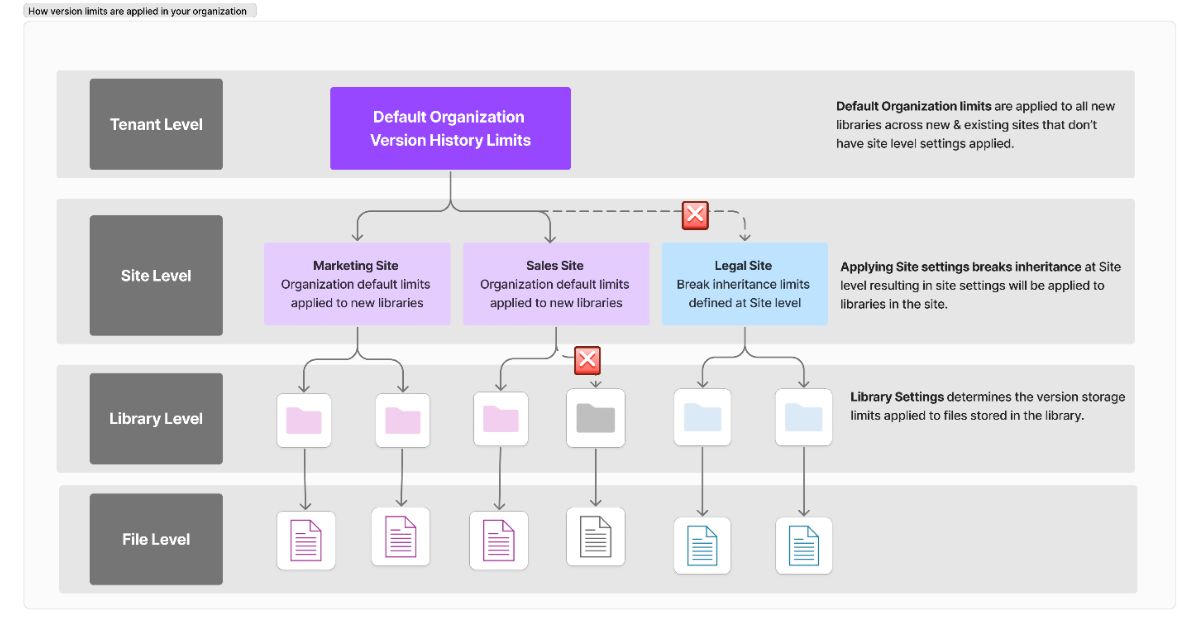
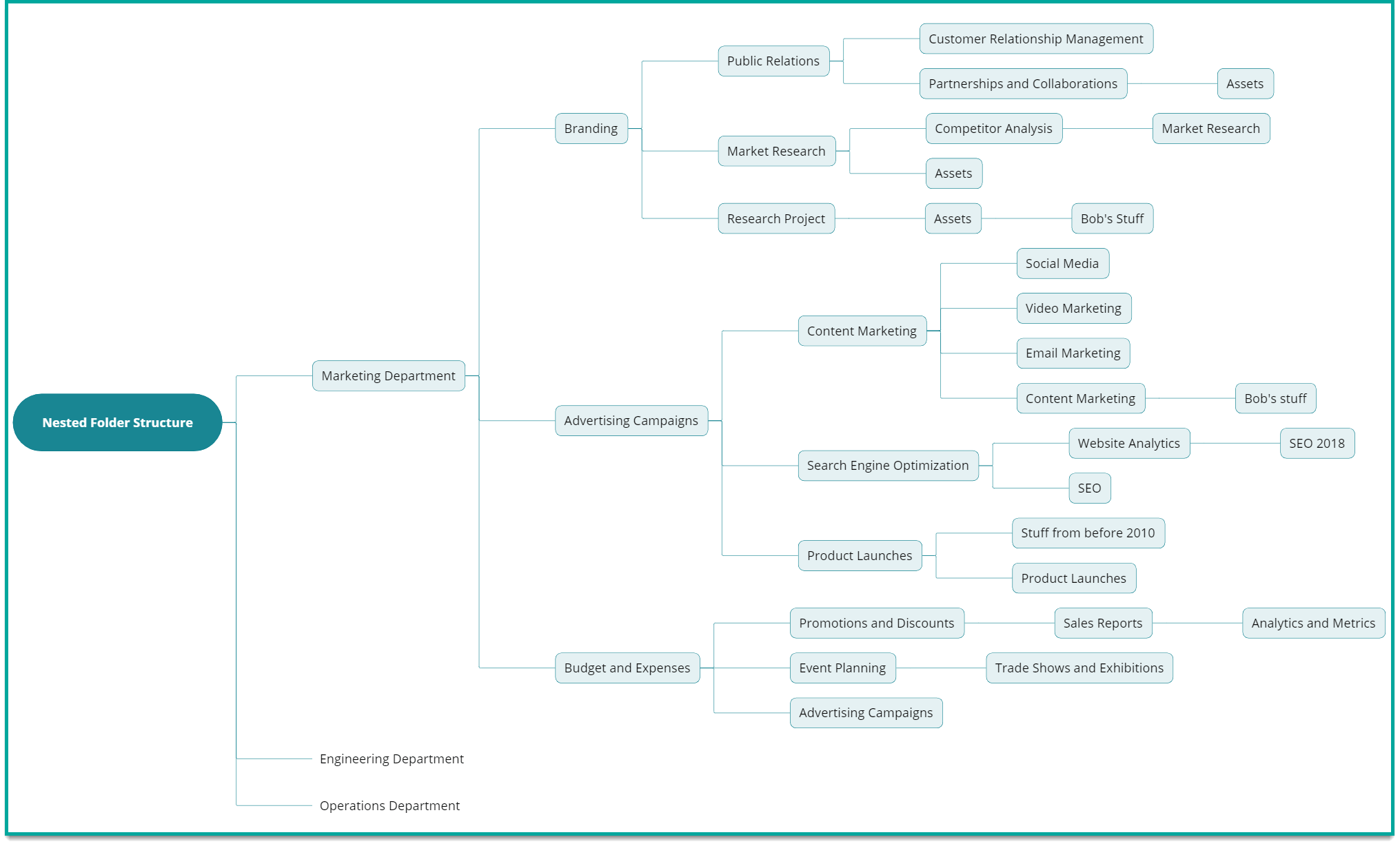
No more mystery folders and “final_v3_REAL_final” files.
We design:
- Logical site structures
- Clean document libraries
- Metadata that actually helps you find things
Your team should not need a treasure map to locate a document.
3. Teams Structure That Doesn’t Collapse Under Its Own Weight
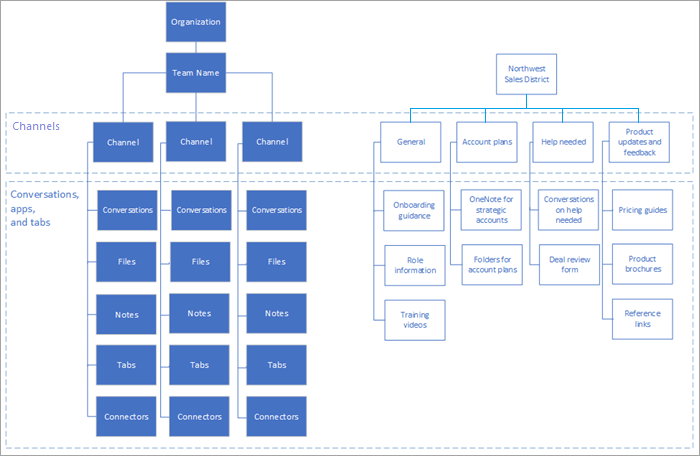

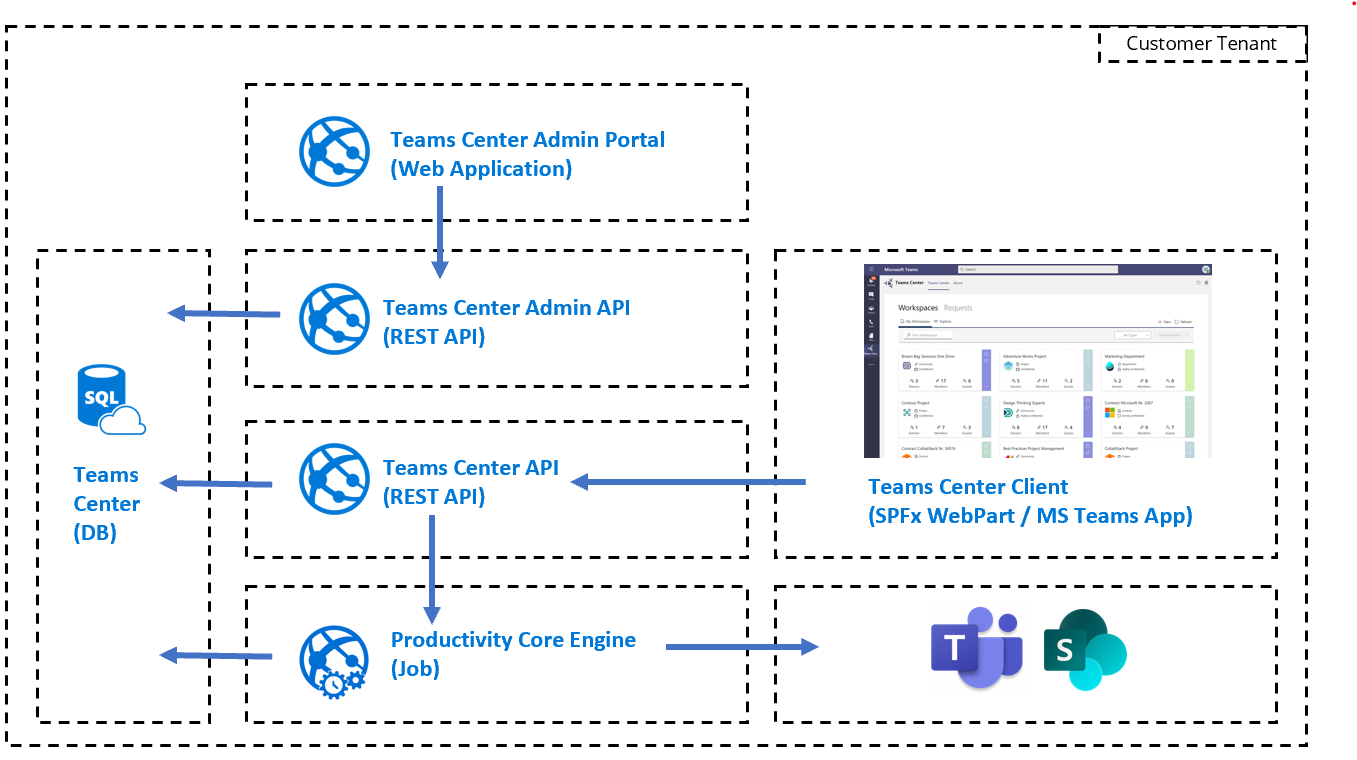
Teams is not Slack with extra steps. It’s your operational layer.
We help you:
- Define what a Team actually represents
- Structure channels with purpose
- Integrate files, apps, and workflows in one place
Result: fewer emails, fewer meetings, fewer “where is that thing?” moments.
4. Security & Permissions (Without the Headaches)
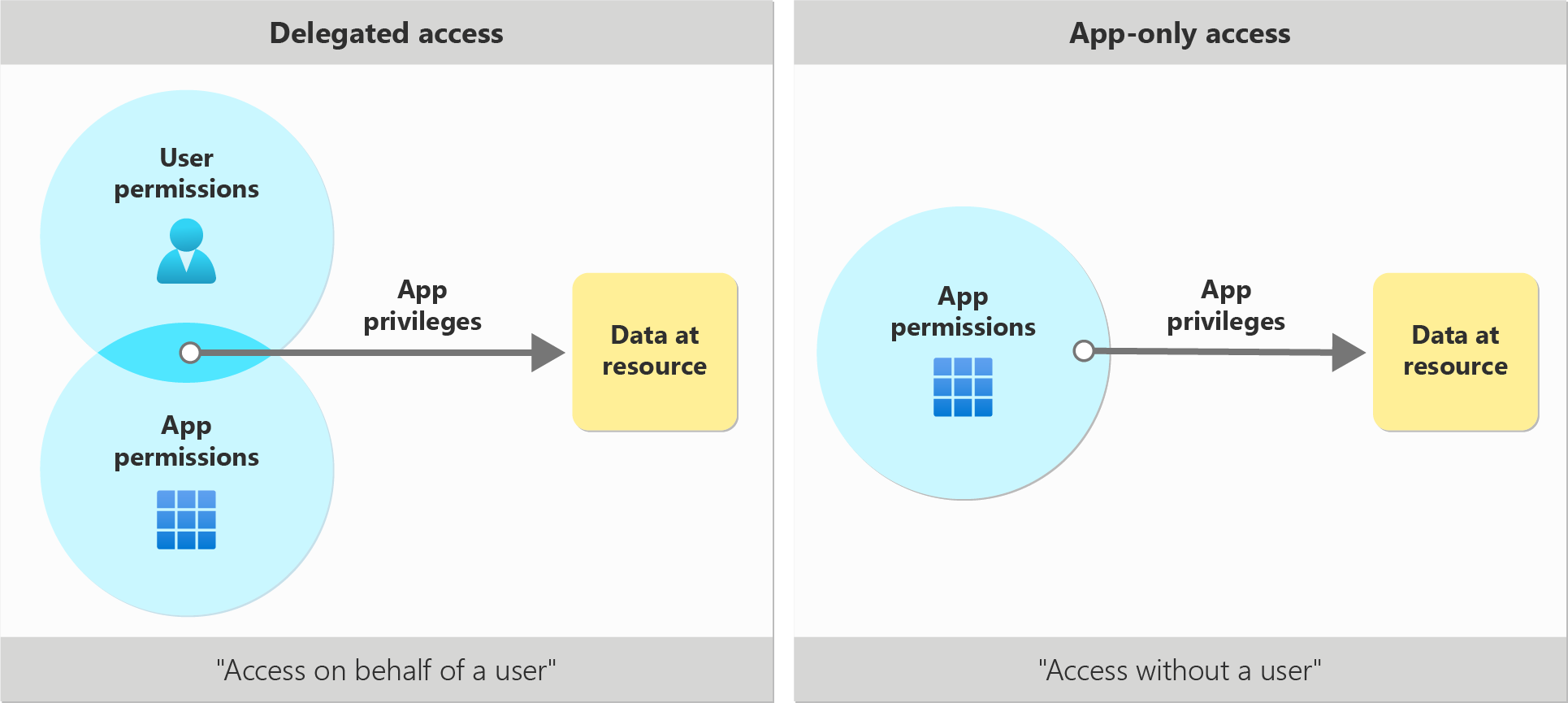
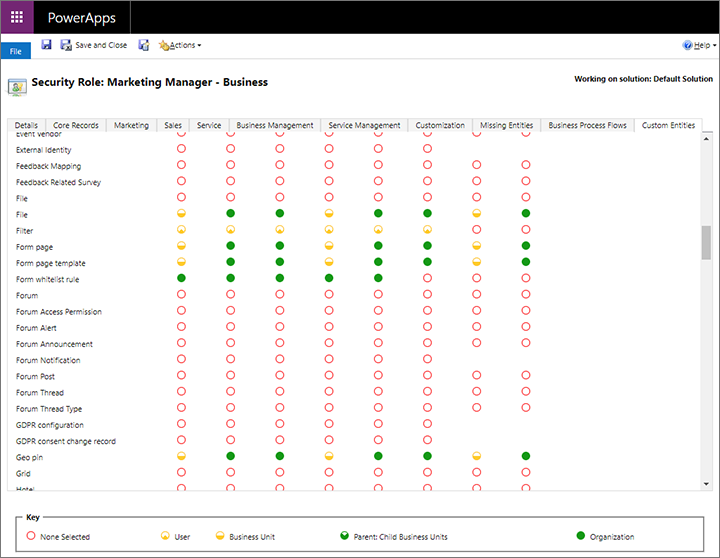
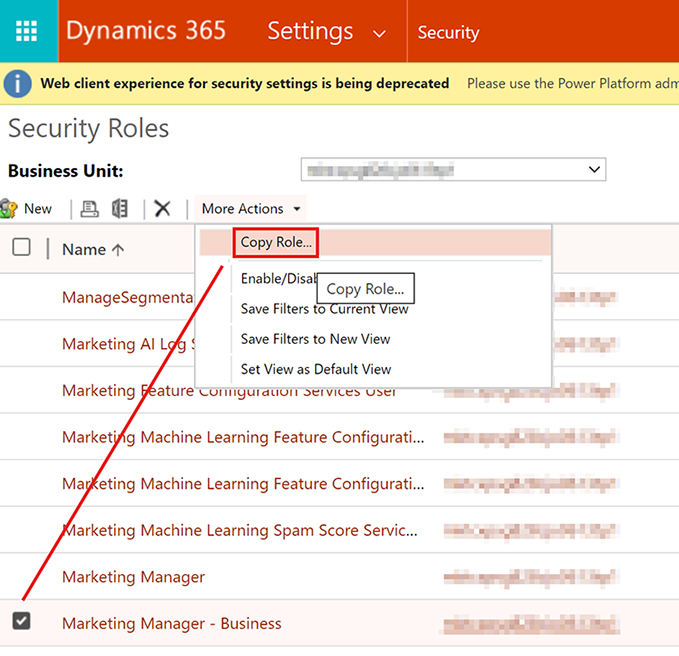
Security shouldn’t require a PhD in Microsoft acronyms.
We:
- Map access to real roles in your organization
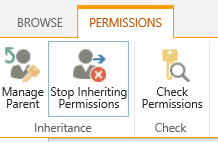
- Fix broken inheritance and permission sprawl
- Ensure the right people have the right access… and everyone else doesn’t
Because “everyone has access to everything” is not a strategy.
5. Workflow Automation That Saves Time Instead of Creating More Work

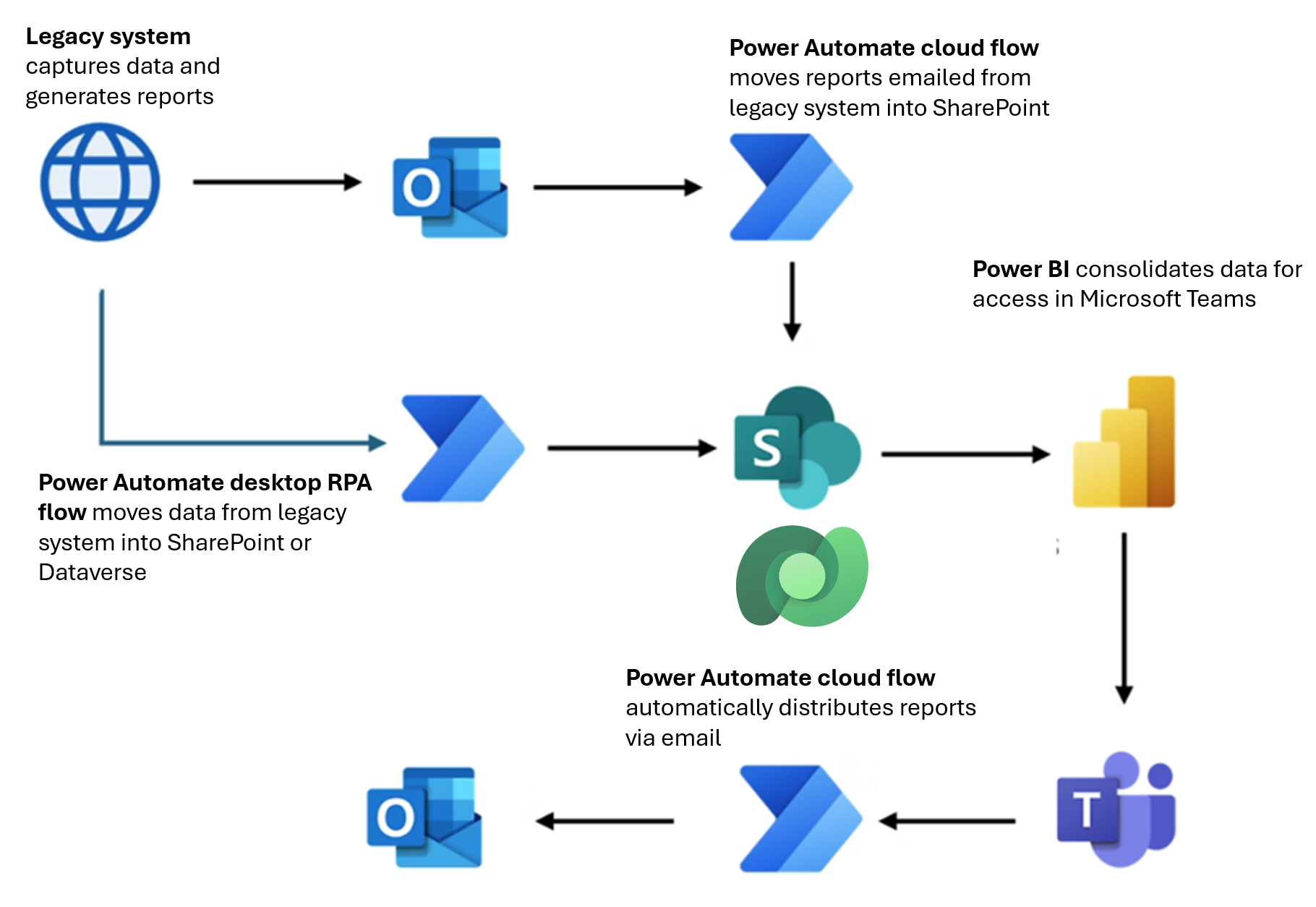
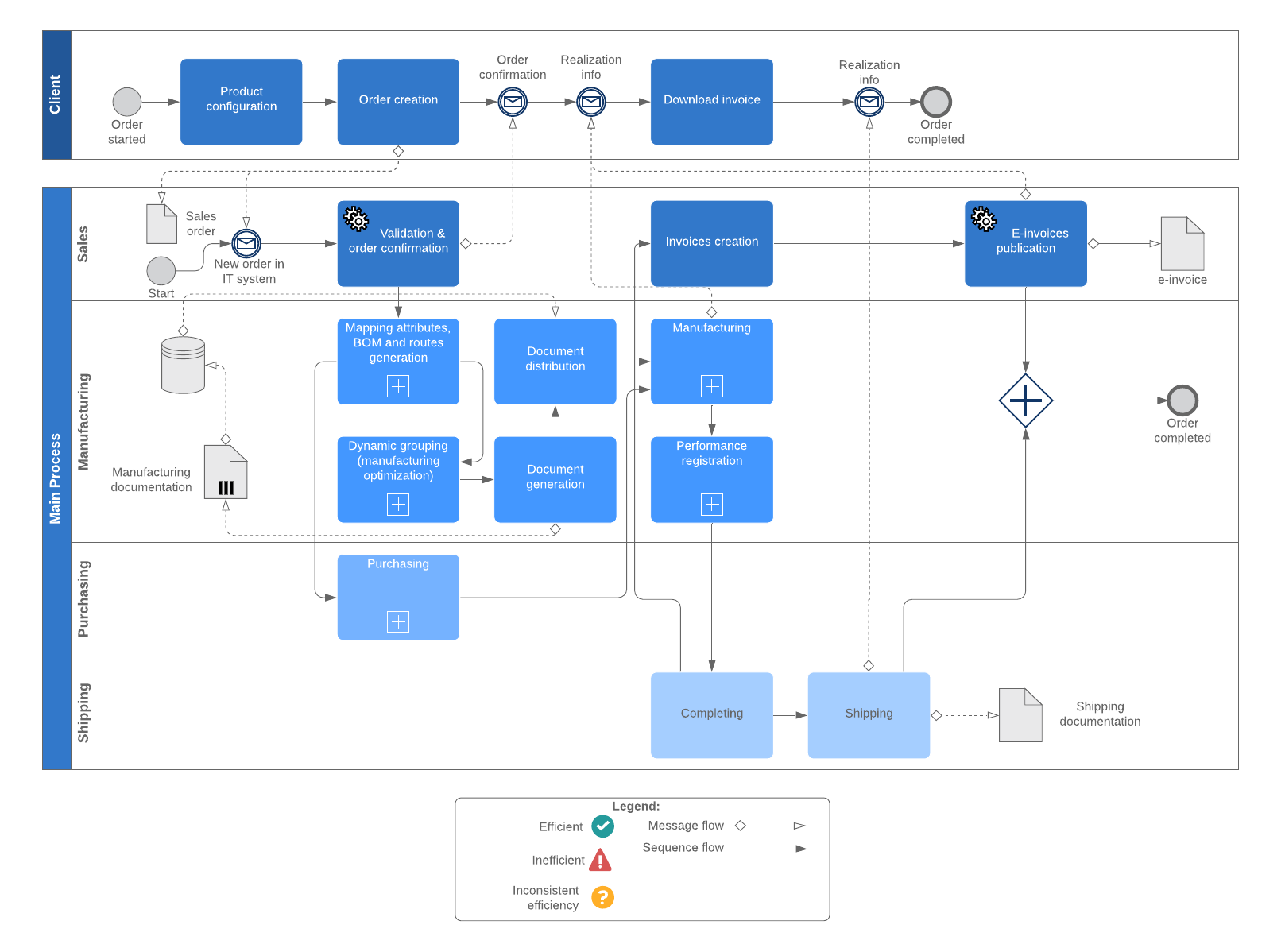
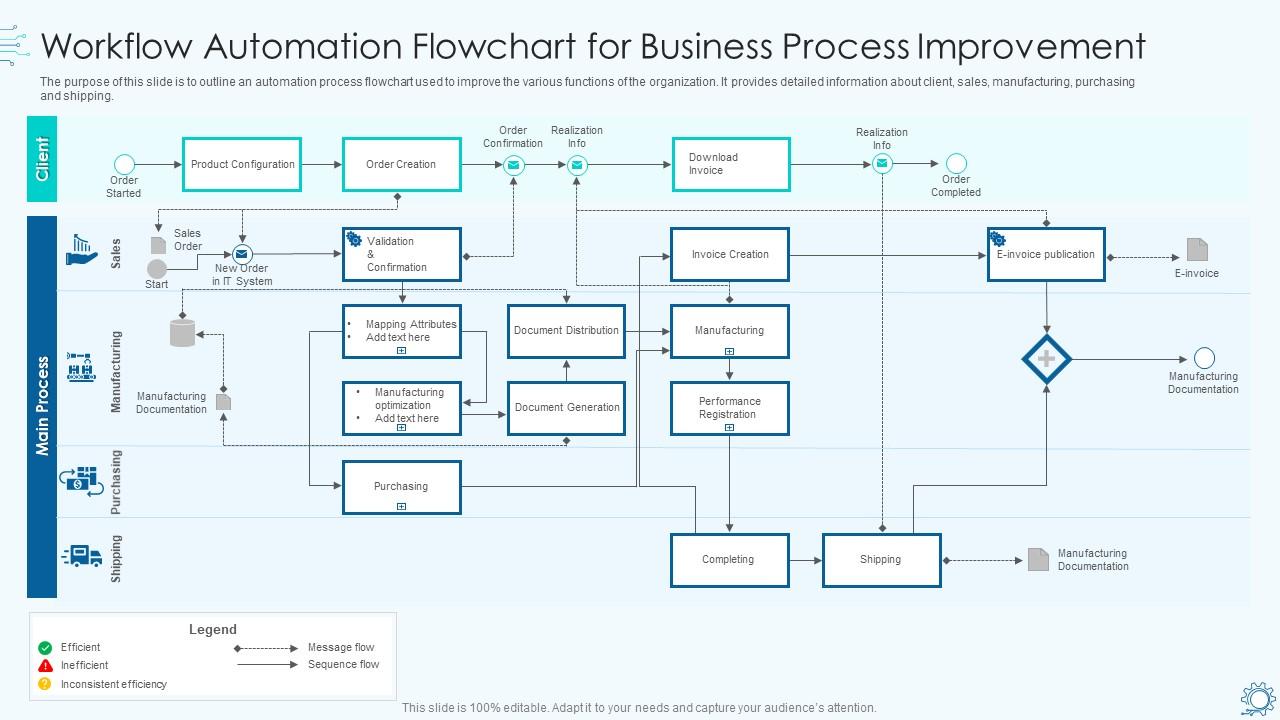
Automation should remove friction, not introduce it.
We build workflows that:
- Match your real processes
- Eliminate repetitive tasks
- Improve visibility and accountability
No bloated flows. No unnecessary complexity. Just results.
The Real Outcome
You don’t just “have Microsoft 365.”
You finally:
- Know where things live
- Trust your system
- Reduce wasted time
- Empower your team to actually collaborate
In other words, your tools start working for you… instead of the other way around.
Our Approach (The Part That Actually Matters)
We don’t walk in with a prebuilt solution and force it onto your organization.
We start with your reality.
Step 1
We evaluate your current tools, workflows, and pain points
Step 2
We map your business processes (yes, this is the part everyone skips and then regrets)
Step 3
We design the right system and build the business case
Step 4
We configure, implement, and clean up your environment
Step 5
We refine and improve using real-world use cases from your team
Because your organization doesn’t run on “best practices.”
It runs on what actually works.
No More Digital Junk Drawer
Right now, your Microsoft 365 environment is probably acting like a junk drawer.
Stuff gets thrown in.
Nothing is labeled.
Everyone hopes it’ll make sense later.
It never does.
We turn that drawer into a system.
How we can help
Nonprofits don’t need more software.
They need clarity, structure, and a system that reflects how they actually operate.
We specialize in business process mapping, system design, and Microsoft 365 implementation built around real-world use cases, not theory.
We offer a free consultation to evaluate where you are today and identify where things are breaking down.
If your team is overwhelmed, disconnected, or just quietly suffering through “the way it’s always been,” we should talk.
Because this doesn’t fix itself.